If a probable contingent liability can be reasonably estimated, it is recorded in the accounts, even if the exact amount is unknown. Keep your financial obligations in check to protect your stability. Deferred revenue is money you get before providing goods or services. You record it on the balance sheet until the service or product is delivered. Knowing the different types can help you avoid surprises and make more brilliant financial moves.
Sad Accountant Expert Team
- Examples of current liabilities are accrued expenses, taxes payable, short-term debt, payroll liabilities, and dividend payables, among others.
- In some cases, businesses may be able to renegotiate better terms on debts and liabilities.
- Using the balance sheet data can help you make better decisions and increase profits.
- They have to determine how much value a company can create for them in the future by looking at the financial statements.
- Long-term liabilities or non-current liabilities extend more than a year.
- For instance, assume a retailer collects sales tax for every sale it makes during the month.
The ratio of debt to cash, cash equivalents, and short-term investments is just 0.29. Cash, cash equivalents, and short-term investments are the most liquid assets of a company. So, from the viewpoint of “ability to pay the debt,” Pan American is a very favorable investment compared to those oil companies. This ratio gives an idea about a company’s ability to pay its total debt by comparing it with the cash flow generated by its operations during a given period.
The long-term debt ratio

These liabilities can impact a company’s financial statements significantly by altering its net income and cash flows. Post-employment benefits, such as pensions and other retirement plans, are long-term non-current liabilities that companies must fund to ensure future obligations to their employees. These obligations can represent substantial financial commitments and impact a company’s financial health and creditworthiness for years to come. Current liabilities serve as a critical indicator of a company’s short-term solvency and its ability to generate enough cash to meet its obligations within the next twelve months.
Car Loans
- Dividends are cash payments from companies to their shareholders as a reward for investing in their stock.
- A company must therefore consider how it will finance its non-current liabilities in the long term.
- It is essential to realize the overall impact of an increase or decrease in liabilities and the signals that these variations in liabilities send out to all those who are concerned.
- Similarly, all other liabilities not required to be paid within the next 12 months shall be categorized as long-term liabilities.
- Lenders take contingent liabilities into account to determine the financial state of the company.
- This obligation to pay is referred to as payments on account or accounts payable.
- Current liabilities need immediate attention while long-term ones often involve larger sums spread over many years.
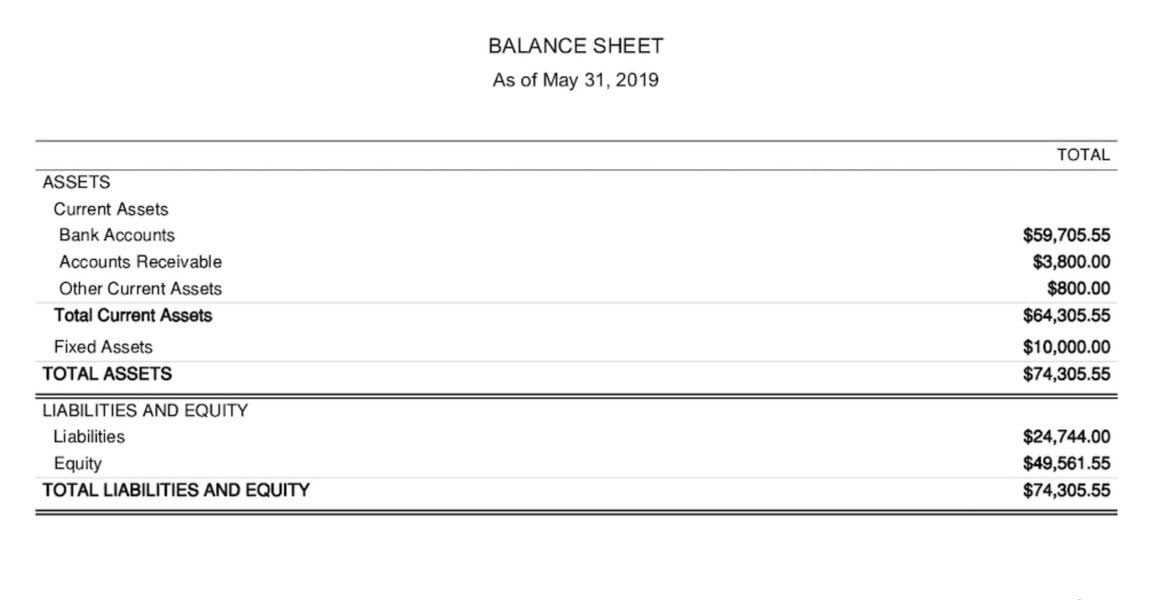
Liabilities and assets are the core components of an organization’s financial reports, but they serve opposing functions. Liabilities show what an entity owes, while assets show what it owns. The comparison of the two is crucial in analyzing a firm’s net worth & general financial health as it shows its potential to meet obligations & earn future returns. The amount Accounts Payable Management of short-term debt— compared to long-term debt—is important when analyzing a company’s financial health.
- You would classify a liability as a current liability if you expect to liquidate the obligation within one year.
- Long-term liabilities are financial obligations that are not due to be paid for more than one year.
- Short-term loans and accrued expenses fall under current liabilities because they are due within a year.
- Together, these show what the business needs to pay in the near term and further down the line.
- By properly tracking and managing these obligations, companies can make informed financial decisions and avoid cash flow issues in the future.
In accounting, this is recorded as an expense over the life of the policy. Master the fundamentals of financial accounting with our Accounting for Financial Analysts Course. Gain hands-on experience with Excel-based financial modeling, real-world case liability examples studies, and downloadable templates. Upon completion, earn a recognized certificate to enhance your career prospects in finance and investment.

- Simply put, a business should have enough assets (items of financial value) to pay off its debt.
- Current liability is a financial obligation a company must settle within one year, including debts like accounts payable, short-term loans, and accrued expenses.
- To conclude, all the liabilities share the said two characteristics.
- The reason is that crude oil prices have remained lower than profitable levels for too long.
- Remote contingencies are neither recorded nor disclosed, since the likelihood of payment is very low.
Include entries like short-term loans, notes payable, or bonds payable. You can spot liabilities by checking money owed or obligations in financial documents. This type of debt counts as a current liability because it is short-term. You must pay it back, usually within 30 days, or face high interest rates.
Financial Reporting
These payments are critical to maintaining good credit and financial health. For example, a company owes $2,500 in interest on a short-term loan, payable in the next month. The other two types of contingent liabilities — possible and remote — don’t need to be stated in the balance sheet because they’re less likely to occur and much harder to estimate. Possible contingent liabilities should at least be noted in the footnotes of the company’s financial statements, though. This represents expenses that have been incurred but not yet paid for, such as salaries, rent, and utilities. Proper management of accrued expenses is essential for accurate financial reporting and cash flow management.
What Is a SOC Audit? Types, Criteria, and Process
One of the most significant impacts of liability accounts on business operations is that they represent a source of contra asset account funding for a company. By taking on liabilities, a business can acquire resources that it may not have been able to obtain otherwise. This can help a company expand its operations, invest in new projects, and create value for its shareholders. It falls under the category of things you owe or borrow, including short-term loans and long-term loans.